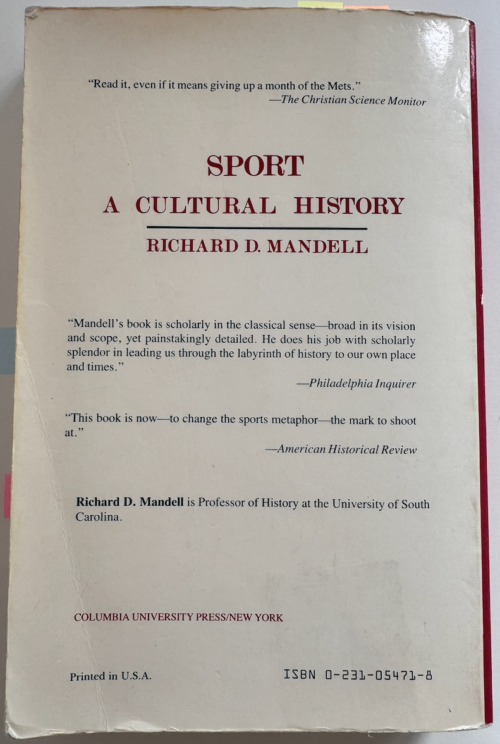
This is the reference book I brought to my thesis defence for comfort! Unfortunately, my second reader was uncool and did not ask me the questions that make my eyes light up. So, I’m going to foist my Q&As on you.
Q: Why is the definition of sport so tricky?
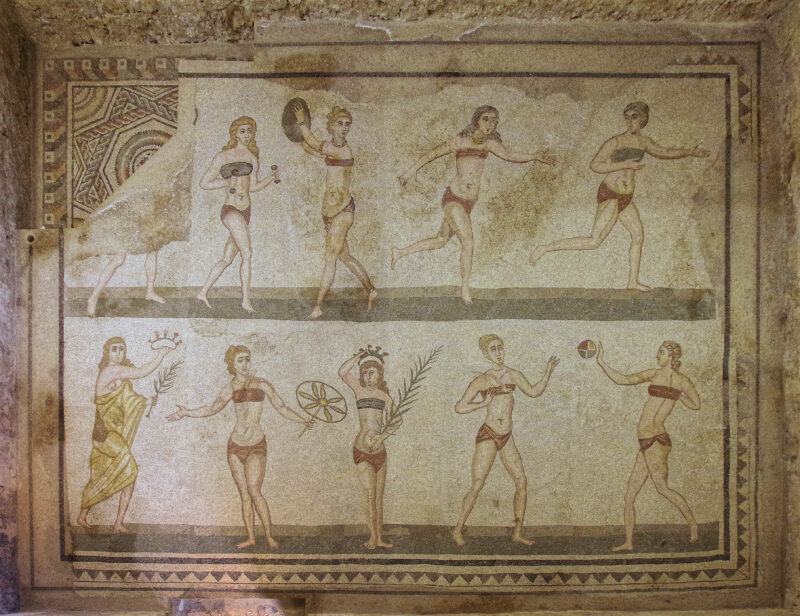
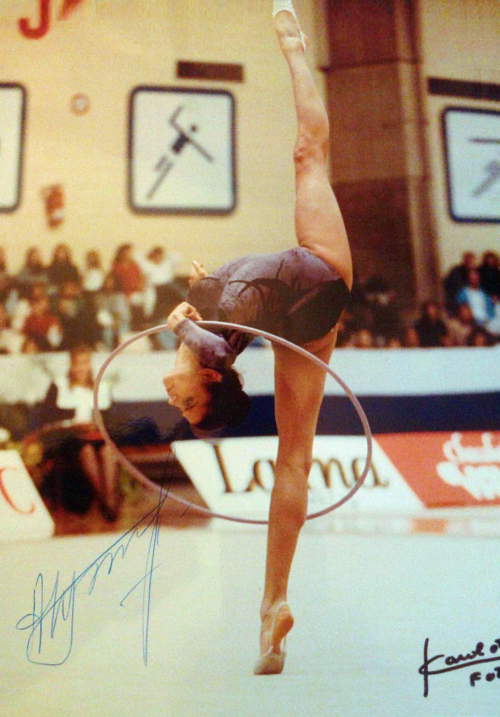
Sport has a lot in common with dance and theatre. Mandell notes that dance can be competitive, and that sports (like gymnastics, figure skating and even springboard diving) can be dance! And, sports are frequently highly aestheticised for audience entertainment, blurring the lines with theatre.
Mandell doesn’t make this comparison himself (his book was published 8 years prior), but I think an excellent example of the connection between sports, dance, and theatre is the opening ceremonies to the 1992 Barcelona Olympic games: BARCELONA!
Q: Is motor racing a sport? What about horse riding?
Mandell defines sport as a “competitive activity of the whole human body according to sets of rules for purposes ostensibly or symbolically set apart from the serious, essential aspects of life.” As such, he excludes bicycle touring, board games, and body surfing as recreational activities. Motor sports, sledding, and sailing are excluded as well: the technical apparatus overwhelms the human performer. However, he carves out a major exception for horse sports, because they are symbolically important to the development of other sports, vis-a-vis, the aesthetics of the hunt, sports as preparation for war, and identification and ornamentation of the dominant class.
Q: What is your sport conspiracy theory?
The enclosure of “professional” sports in the U.S., with expensive fees and tiered access, should be considered offensive. Sports are part of everyone’s cultural inheritance. The idea that only a few can do sports “correctly” (i.e., the signalling done with the word “professional”) is hindering the cultural acceptance of broad sport participation for adults. Practicing sport (or dance or theatre) without subjecting yourself to some broader goal is a radical act, and also one that connects you to your community, body, and culture.
Q: Should I read this book?
If you need a reference text on sports, this is a good (but obscure) get! Although Mandell does an excellent job to make this subject as approachable as possible, the book inevitably has the breadth and depth of a crater. I therefore suggest approaching it on a chapter-by-chapter basis. My favorites are: England: Land of Sport, Induced Sport, and American Sport in Recent Times. Although this book does not have a lot going for it, in terms of marketability — it’s almost 40 years old, unsearchable, and somewhat specialist — it feels evergreen, and I was impressed by how many times I have referred to it in two years.
1. Sport Before High Culture
2. Sport Before the Greeks
3. Greece
4. Spread of the Taste
5. Sport in Pre-Industrial High Culture
6. Europe, 500-1750
7. England: Land of Sport
8. Induced Sport
9. American Sport to the 1920s
10. The Modern Olympic Games
11. American Sport in Recent Times
12. The Olympic Games, 1936-1980
13. Sport and Society in the Late Twentieth Century
14. Joyous Sport, Beautiful Sport