Bingo Square: Right (the right to exist, the right to be oneself, Civil Rights)
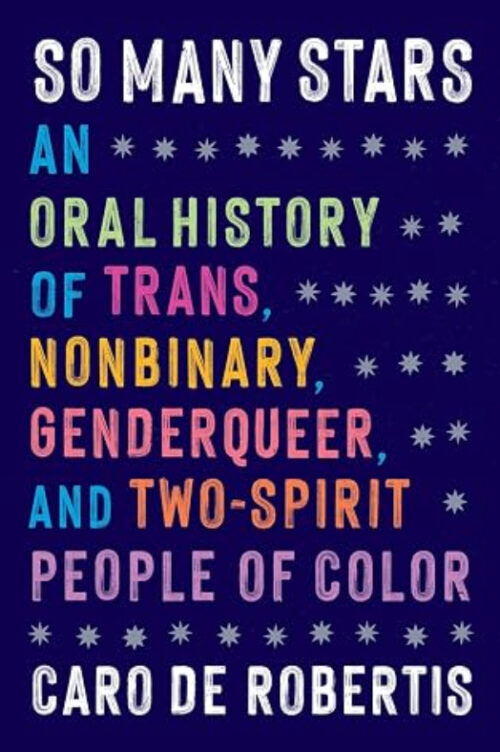
This was this fall session’s non-fiction selection for queer book club, and we all quite enjoyed it. Of course, it was also one of those books where we ran out of things to say because it can be hard to talk critically about people’s experiences.
The book was part of a larger oral history project and the author focused specifically on elder people of color in the queer community. While their backgrounds are varied, for the most part they have ended up in the Bay Area or at minimum still have close ties to the area, even if they have left. The book includes the stories of 20 interview subjects, presenting a spectrum across ethnic and racial backgrounds as well as gender and sexual orientation and identification.
With the exception of the intro, the author very much takes themself out of the narrative, letting the elders speak (of course, the author chose how to structure the book and how to weave the testimonies together so their vision shines through in that way). The book is divided into 4 sections with 4 chapters each, exploring different themes, from childhood to activism to visions of the future.
Initially, I struggled a bit as the voices blended together and I wondered if I would have preferred a series of complete stories by person or the thematic grouping but I think there is value in both, and the afterword shares a link where the reader can access the complete interviews. The thematic approach worked best for me in the chapters focused on AIDS and drag. Perhaps because those are topics that are so specific but also ones I feel most familiar with (for drag, I wasn’t only bringing in my exposure to drag race but also the discussions around it, shows like Pose and Tom and Lorenzo’s occasional commentary during their podcasts when relevant to the week’s topic).
It’s a very quick and accessible read; I hesitate to say easy since they reflect on good and bad, including abuse and death, but there are also moments of joy, community and discovery. While we should all worry about where we are going and fight to prevent progress from backsliding or stopping, it’s also helpful to see how much society has changed, and how the subjects of the book found their place and many times became leaders and activists.
