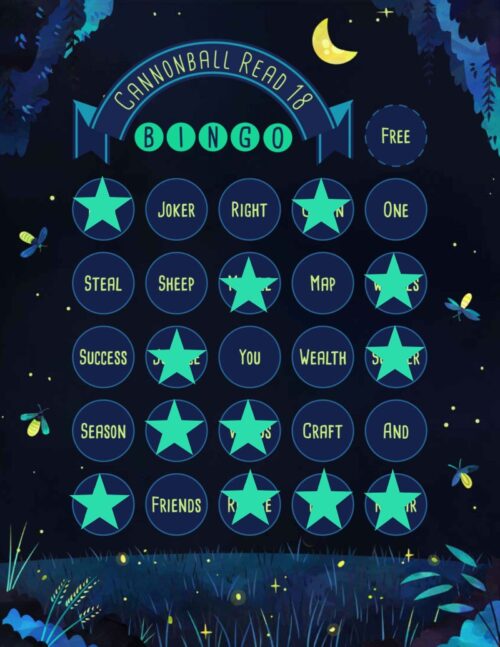
Usually, the Read Harder Challenge tasks are broad, and it’s up to you to decide how you want to fulfill them. But every so often they come up with a very narrow one that leaves me annoyed. This year, that task is #8 – a classic from the Zero to Well Read podcast (which is fair enough; they are attempting to promote their podcast to potential listeners). However, it didn’t give us a lot of choices. Some I had read (The Great Gatsby, Their Eyes Were Watching God), some I had sworn off (The Bluest Eye, Wuthering Heights), and that basically left me with Oedipus the King.
The version I listened to was by the L.A. Theatre Works based on a translation by Nicholas Rudall. Oedipus is a play, and I know I do better with those in audio format. The tragedy at the center of the story is well known in western media, that in attempting to circumvent the prophecy that he will kill his father and marry his mother, Oedipus and those around him have actually caused the prophecy to be fulfilled. What I hadn’t known about going into this was how Sophocles plotted the reveal of the prophecy and the slow dawning of truth.
I won’t recount the plot points here; they are available across the internet and if you like me haven’t had the particulars spoiled for you why not go in without knowing. This style of tragedy is not how we partake in storytelling now. Though the manner of the telling may differ, the themes do not. Our stories are still concerned with wisdom and what we are able to see, with our ability to forge our own paths, with justice and what is right and true. We are still looking for catharsis or eucatastrophe (thanks The Academic Affair for teaching me a new word!) to be the emotional turning points of our stories. With that in mind it’s really no wonder that Sophocles’ work has stayed with us.
Bingo Space: Clown. Oedipus is a tragic figure, like many clowns in pop culture.