cbr18 bingo Versus
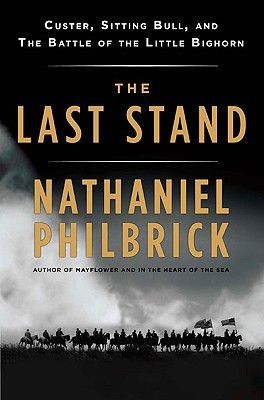
Color me impressed. I’ve read this story more than once, but this time around, I really got it. Philbrick is an amazing writer and historian, and I see he’s got quite a back catalogue that I fully intent to explore. And oddly enough, I had already purchased another book of his, which is in my To-Read pile, on California history, before I began this one. Welp, I guess I know what’s coming up in the queue!
We mostly all know the basics of this (at least if you are familiar with American history), but this is a very comprehensive account with an equal amount of material on either side. The Indians are not just a generic group, but are broken down into all the various tribes involved and how their politics played into the larger scheme of things. The various Plains tribes were equally involved on either side of this conflict, and that whole back story as to how that came to be is invaluable. Most of the research Philbrick uses originates with the exhaustive interviews conducted by Walter Mason Camp, editor of a railway trade journal, who took it upon himself, in the early 1900s, to interview as many survivors and witnesses as he could find, on both sides, researching a book which he never ended up writing.
And Philbrick’s many maps help to make the whole event so much more understandable, since the topography of the area explains so much. These are the Badlands, where you may think you are looking across empty grassy fields to the mountains beyond but vary much are not. That’s why Custer had no idea that Sitting Bull had gathered thousands of Lakota and Cheyanne warriors and their families on the banks of the Little Bighorn. He might have rethought his battle plan had he realized that his troops were outnumbered by 2000 to 200. But then, Custer being Custer, maybe not.
