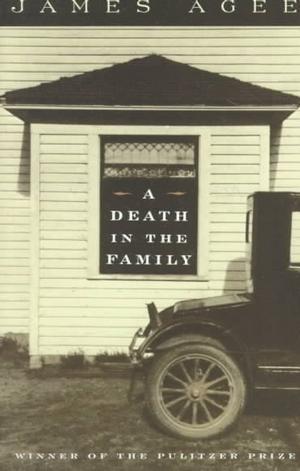
James Agee’s A Death in the Family was unfinished at the time of his death, but was heavily edited and then published posthumously. It then won the Pulitzer Prize for Fiction and has become a classic American novel. The plot is highly autobiographical, based on a tragic event in Agee’s own youth. Rufus Follet, a stand-in for Agee, is a six-year–old living in Knoxville, Tennessee in the year 1915. The novel begins, after a lengthy prose poem unconnected to the rest of the story which was inserted by the editor for some reason, with Rufus and his father Jay having a fun outing after Jay took the whole family, including Rufus’s mother Mary and sister Catherine, to the cinema to see a Charlie Chaplin feature. The reader is in Rufus’s head as he wonders about his father’s love for him, and his love for his father. Rufus worries that his father is disappointed by the fact that he isn’t as big and strong as the other boys.
That night, Jay gets a call from his brother. Their father is very ill and might be near death. Jay isn’t sure he fully believes it, because his brother is an unreliable drunk, but he heads off in his car to make sure, promising Mary that he’ll be back in time to put the kids to bed the next night. Instead, Mary gets a call that Jay has been in a car accident and was killed, instantly.
From that point on, the book takes a panoramic and impressionistic view of the proceedings. Agee is examining the way death, especially sudden and unexpected death, affects us so deeply. All the members of the extended family show up for each other wanting to help ease their pain, but they all wind up messing up, miscommunicating, and generally failing to make things better.
It’s a meaningful point, but the problem is that it makes the novel kind of excruciating to read. There is an extended scene where family members sit around a table, trying to decide what to do about the funeral arrangements for Jay, that drags on and on because characters keep making unhelpful suggestions, then apologize for making those suggestions, and then are apologized to by those who called the suggestions unhelpful. (This scene is particularly tough on the reader because Mary’s mother, who is quite hard of hearing, keeps asking for parts of the conversation to be repeated.) It might be very true to life, but that doesn’t mean it’s interesting for the reader.
If you prize realism in fiction, A Death in the Family has you covered, but the lack of a traditional plot will be a barrier for many.
