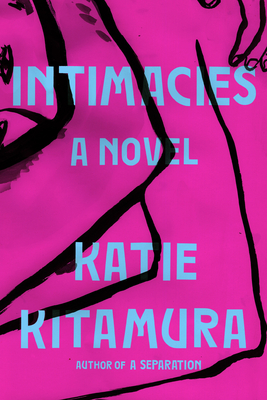
When reflecting on my identity, my thoughts often circle the idea of being WEIRD (Western, educated, industrialized, rich, and democratic) and how that perspective is, in fact, ‘weird’ to most of the world. This sense of being an ‘other’ permeates the book, alongside the post-modern realization that we can never truly ‘know’ another person.
The story is told through an unnamed translator in The Hague, transitioning from New York into a life of clinical, European detachment. Whether she is navigating a relationship with a man in the midst of a divorce or forming new friendships, her perspective is one of hypervigilance. Her education has taught her to observe, but she frequently fails to grasp the true motivations of those around her.
There is a strong echo here of Henry James’s disdain for European decadence, but our narrator is no naive ingénue. Instead, she is a woman coming to terms with her own haunting aloofness. This is mirrored in the trial she interprets—a ‘showy’ legal drama of former presidents and harrowing testimonies. The deliberate vagueness of these events creates an unsettling atmosphere, inviting the reader to fill in the blanks with caution. As the case zigs and zags toward collapse, we realize that for the narrator, the truth isn’t something to be found, but something to be translated—and in translation, something is always lost.
