 Cbr16bingo Disco, bingo (1970s New York, marginalized communities)
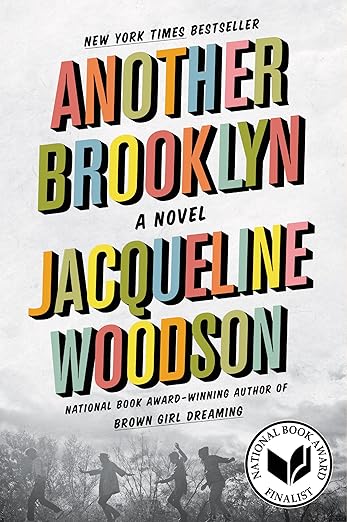
In the author’s notes at the end of this novel, Woodson writes that her inspiration came from her thoughts on “what it means to grow up a girl in this country,” particularly in 1970s Brooklyn. Those familiar with Woodson’s novels — read Brown Girl Dreaming and Red at the Bone, both excellent — know that she has an incredible talent for writing about the experiences of Black girls in specific points in US history such as the Civil Rights movement of the 1960s and the Tulsa Massacre. In Another Brooklyn, Woodson paints a picture of 1970s Bushwick and what it was like for Black girls who dreamed of something more. Woodson writes of these girls’ childhood friendships and of the circumstances that threaten both their dreams and that friendship.
The main character/narrator is August, now a grown woman who has returned to Brooklyn for her father’s funeral. August made it out; she attended an Ivy League school and is an anthropologist who studies death and death rituals. The things she has learned about other cultures’ approach to death are referenced throughout the novel. Her interest in death is rooted in her past and what happened to her mother and others. Although born in the south, after the incident with her mother, August and her brother move north with their father. August as a child has not come to terms with the reality of what happened to her mother. In this new environment, she sees three girls who are clearly friends on the street outside her window. Gigi, Sylvia and Angela will become her best friends, and Another Brooklyn describes each of these girls, their dreams and family circumstances.
Life in 1970s Brooklyn if you were a girl and Black and poor could be dangerous. Woodson references the power outages that led to looting and violence, fires, white flight from Brooklyn and the Son of Sam murders. But if you were a young Black girl, there were other dangers as well, and August and her friends make sure to warn each other about those dangers — the pastor with wandering hands, the perverted local merchant who offered a quarter for a peek up your skirt, the risk of assault and of pregnancy. All of this happening to little girls. August’s three friends each have dreams of getting away from this. Sylvia, the daughter of educated immigrants from Martinique, wants to become a lawyer as her father wishes; Gigi, with encouragement from her mother, wants to become an actress; Angela, whose mother was a dancer, dreams of becoming a dancer and getting out immediately. Angela is an especially interesting character because of her quiet anger, the source of which is revealed later in the story.
As August grows up with her friends, cracks become more evident. Their interests (or their parents’ interests for them) pull the girls in different directions, sometimes to different schools. And in the background for August is her belief that somehow her mother is coming back. Her inability to process her reality leads her father to find counseling for her through his new church, the Nation of Islam. But it isn’t just the situation with her mother that causes the young August to retreat into her studies and herself.
August’s pain — over her mother, over her friends — is palpable through Woodson’s beautiful writing. August’s achievements as an adult are impressive, but they don’t erase her memories or the sorrows that she experienced in her childhood. August’s friendship with Sylvia, Angela and Gigi was such a vital, central part of that, and yet some friendships founder because of the circumstances we find ourselves in and/or because of choices made. Yet the memory persists.
