You know the old adage, “take things with a shaker of salt”? Well, with this book you don’t need a shaker; you need the entire darn Dead Sea.
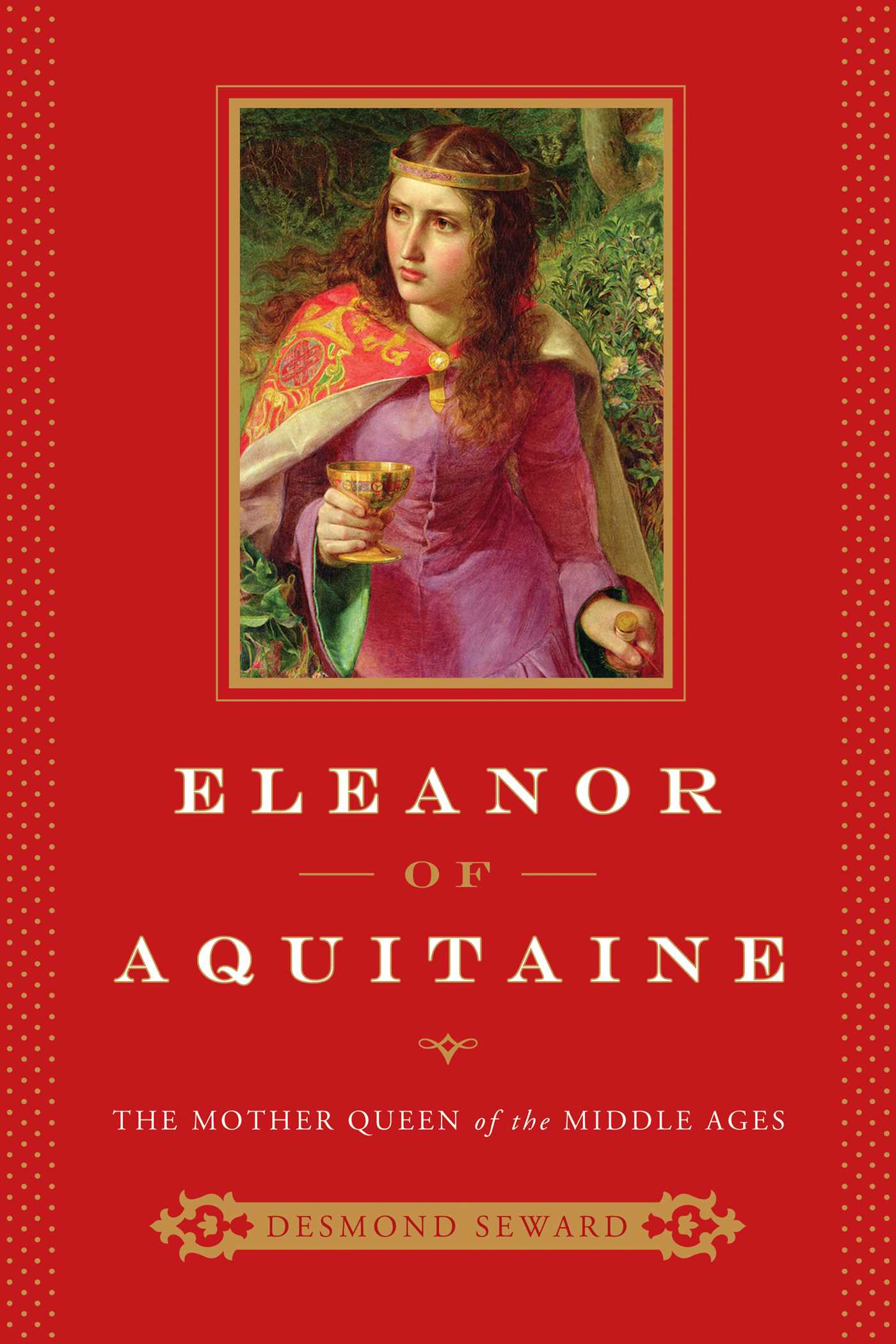
Eleanor of Aquitaine: The Mother Queen of the Middle Ages professes to be a biography of Eleanor of Aquitaine, wife of Henry II, mother of Richard the Lionheart and John “Lackland” of Magna Carta fame; what it turned out to be was the tale of Eleanor, apparently the Livia of England, she-bitch goddess from Hell, as told through the eyes of the (far more important) men in her life. (Except for Richard, who she was apparently too obsessed with, wanted to bed, and was so possessive of she allegedly “made him a homosexual”).
According to Seward, there was not one situation that Eleanor was involved in that she couldn’t make worse (she apparently made the situation between Henry and Thomas Becket worse, and her putting John on the throne over her grandson Arthur is directly linked, according to Seward, to the need for the Magna Carta), there was no decision that was made that didn’t turn out to be a grasp for power, and no reason that Henry and her sons had a problem with their father other than because her lying, power-hungry hands were on their backs. She terrorized her mother-in-law, she browbeat her daughters-in-law; apparently Henry and her first husband, King Louis VII of France, had to have been nominated for Sainthood solely on the great burden they shared of being married to this frivolous, grasping, power-hungry woman.
(Obvs Henry and Louis all the time)
I mention that Eleanor was power-hungry so often because Seward says it so often; the two things that will be pounded into your head ad nauseam if you read this book are that Eleanor was frivolous, and that Eleanor was power-hungry; third is that she turned Richard gay because she made him want her as the only female love of his life, but thankfully that is only brought up maybe eight times, in comparison to the on every page that her frivolity and her desire for power were.
My largest problem is that I like Eleanor of Aquitaine; books on her, Greek and Roman mythology, and Egyptology were what I mostly read from the ages of 8-10. Sure, I know she wasn’t perfect (who amongst us is?), but I always thought of her as a strong and capable woman. Yes, she encouraged her sons to try and overthrow Henry, but may we also point out that Henry was all but putting another woman on the throne at the time, and that between her marriage to Louis and her marriage to Henry, Eleanor, a strong, intelligent, capable woman in her own right, was never allowed to rule over the lands that were hers from birthright? But no, Seward puts this as a negative, saying that Eleanor’s desire for power, while admirable if it was in a man, is repugnant in a woman, and was the fault of her father, who should have raised her more firmly knowing a woman’s place in the world. (Seward also criticizes Eleanor, however, for being into the more stereotypical “feminine” pursuits as well, such as clothing, sumptuous decor, troubadours, and poetry; my dear sir, kindly make up your mind.) Or that Eleanor was too “feminine to be a tomboy”, but “to interested in manly pursuits” (aka power), and had “a certain casualness to sexual matters” (aka, Seward strongly insinuates that Eleanor was promiscuous from a young age, even though he himself admits there is no evidence to back this up; he just knows). Or that Eleanor and Henry stopped all marital relations after John’s birth (again, no evidence, he just knows) because Eleanor didn’t want to get pregnant any longer, as they interrupted her quest for power (and more reasonably and understandably to Seward, Henry wanted more ease in tomcatting around.)
Of course this may all be partially explained by the fact that the book was written in 1979, and is most certainly a product of the time; Seward comes across as both heavily sexist and extremely homophobic. But that doesn’t excuse how drily written it all is; I’ve read textbooks that get their information across with more passion in them. Nor does it excuse that it also runs like a bit from WKRP in Cincinnati about the weather; everyone hated Eleanor, except some people liked her. Some people (surprisingly) had good things to say about her, but don’t expect Seward too list them. Heck, even the chapter about her death Eleanor isn’t the main character in her own book; the chapter is more about Louis’s son Philippe and how thanks to John’s incompetence (mostly due to Eleanor), France almost conquered all of England.
The one plus of this book is that at 264 pages, at least it was a short book to find horrible.
