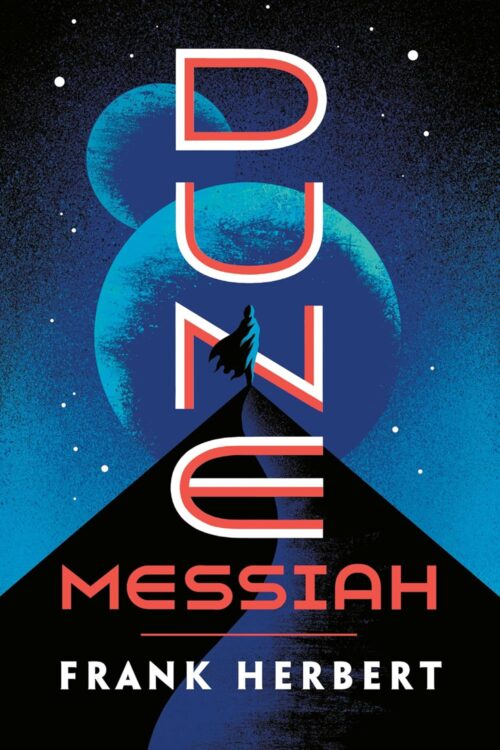
The second Dune novel, the adaptation of which is set to release in theaters this upcoming Christmas season, is a novel which takes place mainly through conversations. Of course, in the world that Frank Herbert has created, conversations can be treacherous, with or without the usage of the Bene Gesserit voice. What Dune Messiah is not, however, is a rollicking good time. Most of the major action takes place offstage, eventually recapped for our benefit in the aftermath by the characters. It’s a frustrating way for a book to be written. The story, or at least, the concept here is pretty strong. But between this maddening habit and the mundanity of Herbert’s prose Dune Messiah is hard to enjoy.
Paul Atreides has been emperor for twelve years, during which time his supporters have become even more committed to the idea of him being a messianic figure. They have carried out a galaxy-wide Jihad in his name, which may have been necessary to establish peace but has come with astonishing cost in human life. Paul is still married to the Princess Irulan, but it is entirely a political convenience. Paul is actually with Chani, his Fremen love interest from the first novel. Paul needs to have an heir in order to secure his family’s futre on the throne of the empire, but Chani has not been able to conceive and Paul refuses to give the Bene Gesserit what they want by impregnating the Princess.
Paul’s throne is also under threat by an emerging conspiracy between his enemies, personified in the novel by a group including a Bene Gesserit mother superior, a steersman, a Face Dancer, and, slight spoiler, the Princess herself. Their convoluted plan to infiltrate Paul’s inner circle and bring his reign crumbling down from within is the major plot of the novel. In the abstract, the story goes to some interesting places, but Herbert drags his feet to get there (even in a novel less than half the length of its predecessor) and the constant talking about something instead of doing anything really gets in the way of the reader’s enjoyment.
