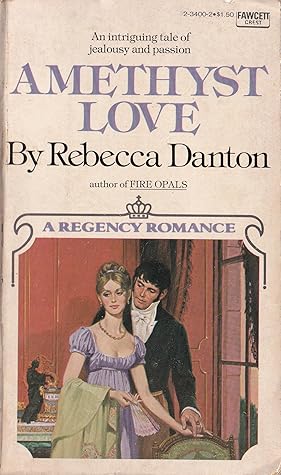
 When Valerie’s brother is killed in the Napoleonic War and a fellow soldier offers her the shelter of marriage, at first she’s grateful. But as the difference between the kinds of lives they want to lead becomes apparent, she starts to wonder if she’s made a mistake in accepting his offer.
Valerie is a likable lead, and I enjoyed the scenes between her and Malcolm when they are getting along. The conflict of reconciling their lifestyles is one I haven’t seen explored much in romances, which is pretty unusual because it seems to be so common in real life. Also this book introduced me to the concept of the Shakespeare garden, and now I would like to see one.
However, the other woman drama drags on for way too long, and the author maybe did her work a little too well convincing me that Malcolm and Valerie don’t have anything in common, especially because they so disdain each other’s interests. By the end I wish she had run off with that explorer fellow after all.
The question of divorce being tossed around so loosely too is so anachronistic as to be jarring. In 1977 when this book was published, yes, getting a hasty marriage ended over incompatibility is simple. In the early 1800s when it is set, it would require an Act of Parliament! And I’m afraid the lords would have been unimpressed with Valerie’s reason for it being pretty much all hurt pride. Historically, most cases of divorce granted then stemmed from the lady’s demonstrated infidelity, and she would pretty much become an outcast after. I didn’t know why this specific question of historical accuracy stuck in my craw, but it did!
