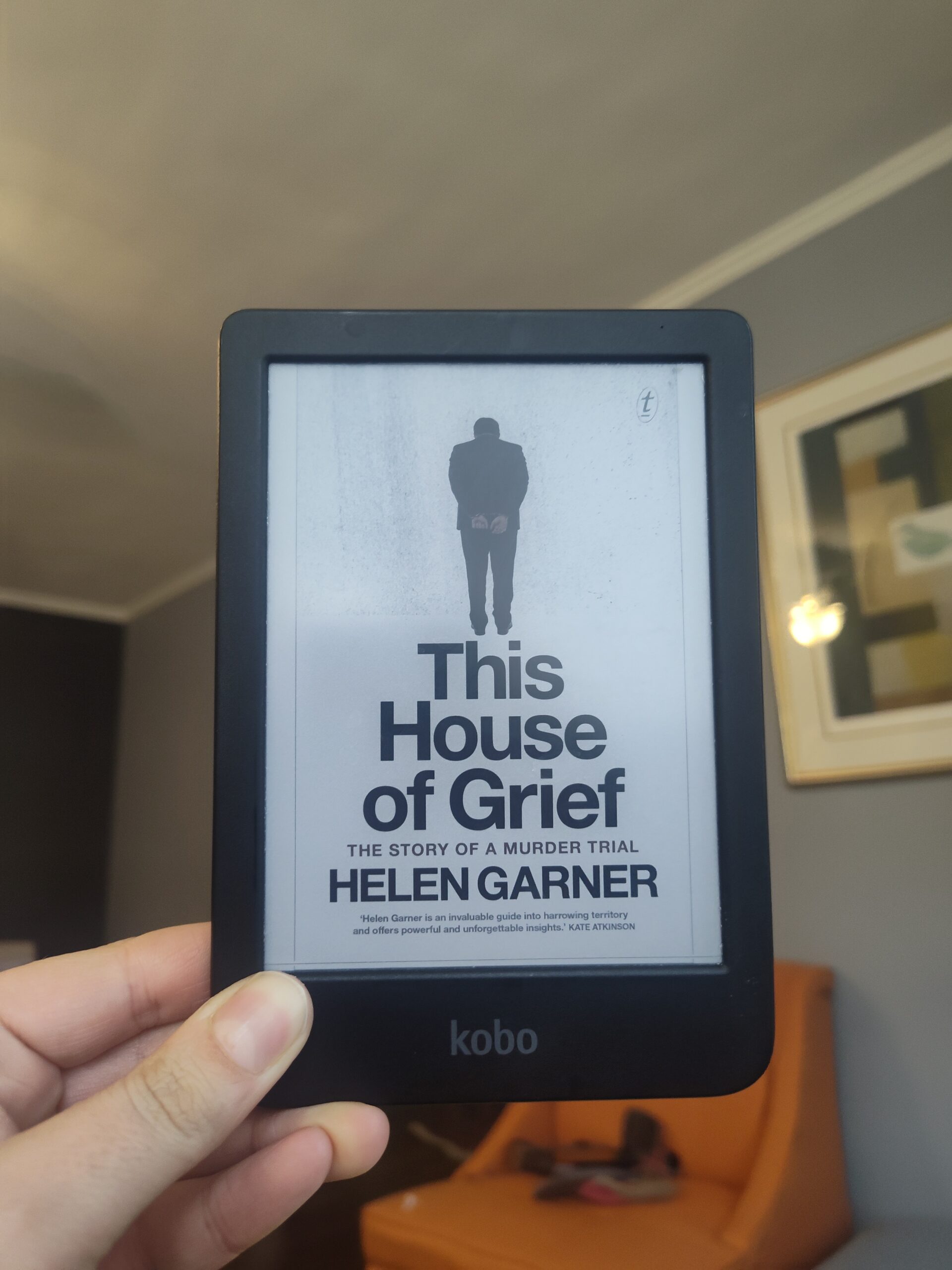
 You can also add this to the list of books I have been meaning to read for a while
Back in September 2005, Robert Farquharson’s VN Commodore swerved off the Princess Highway not far from the town of Winchelsea and dove straight into a dam. His three young sons—Jai, Tayler and Bailey—had been in the car with him and while Farquharson was able to get free, the boys all drowned.
Farquharson claimed that it was all an accident; he supposedly suffered from a coughing fit so severe that he temporarily blacked out. However, there was sufficient evidence to suggest that it was deliberate. Farquharson was divorced from the boys’ mother, Cindy Gambino, and she had already moved on with a new partner. And it impossible to ignore that fateful drive occurred when Farquharson had been returning the boys back to their mother after a custodial visit—one that happened on Father’s Day.
Ultimately, Farquharson would be convicted and sentenced to three terms of life imprisonment after going through trial—and re-trial after an appeal. Garner’s account of the events in This House of Grief an interesting one; she never does actually end up speaking to Farquharson himself. Instead she details both her own reactions to the trial and the people surrounding it; from the family to the jury to the press. I get the impression that Garner is someone who would be fantastic to go people watching with. She is excellent at pointing out small details.
As stated above though, Gardner does not completely detach herself from the events going—indeed, she thinks, how could she? But what is unusual is that she walks into the first trial with the hope that Farquharson is not guilty of causing the deaths of his children; she doesn’t want to believe that as a father, he is capable of such an act. Even when she slowly comes around, she never shakes off her personal investment. I don’t always appreciate it when an author or investigator gets to personally involved in true crime accounts, but because Garner makes no pretense otherwise, I’m mostly fine with it here. The focus of the book is not just on the crime itself, but the public reaction—so why not take yourself into consideration too?
What was more surprising to me—and not something I remember from back when the case was current—is that Cindy Gambino also wanted to believe her ex-husband was not guilty. She too, came to have a change of heart by the time the re-trial rolled around, but its difficult to contend with the fact a father could murder his own children (Specifically: hers.)
It’s the trial and subsequent retrial themselves that are meant to be impartial, but it also exists in the middle of a very public circus. Court proceeding are hard to follow, but personal drama is very easily eaten up. And what could be more dramatic than the moment that Cindy Gambino, during he second trial, decides that she no longer believes Farquharson’s coughing story? And for the defense, how could you then cast doubt on this mother’s testimony? On a personal level, people would be horrified. And ‘people’, of course, include the jury—who will ultimately decide Farquharson’s fate. But that is the defense’s job: to challenge the prosecution’s case and create reasonable doubt.
It’s a lot to grapple with. This House of Grief throws up many questions about the nature of the legal system and how we interact with it. But Garner seems content in putting the questions out there, rather than providing definitive answers. It also makes me think about how I would react if I were called to jury duty—and to be honest, I really don’t know.
