The genius of a good microhistory is that it makes you care. The Gales of November is a very, very good microhistory.
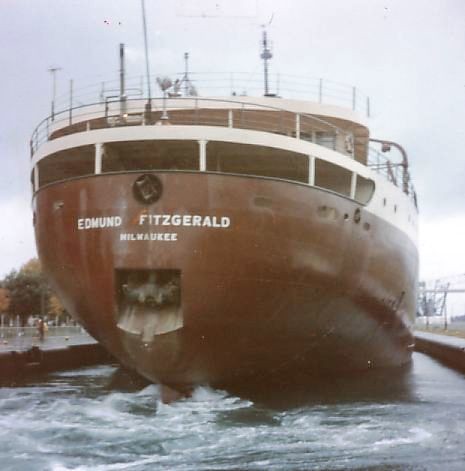
“Edmund Fitzgerald in MacArthur Lock” by Detroit District is licensed under CC BY-SA 2.0 

 .
.
If you’re already steeped in the lore of the Edmund Fitzgerald because of where and when you grow up, this book will only deepen your affection. And if you somehow missed this particular historical event? Buckle up for some time travel.
Bacon frames the central narrative with a lot of important background information. Before you learn about the wreck itself, you’re going to be schooled in historical storms and shipwrecks, shipbuilding, shipping, and other context that will help you recognize the magnitude of the main event. I especially appreciated learning more about the history of the Great Lakes region, of which I only knew bits and pieces prior to picking up the book.
The heart of the book is the crew of the Edmund Fitzgerald and their families. As you might expect, Captain McSorley receives significant attention. However, every single member of his crew was also brought back to life in loving detail. I didn’t know these men, but they reminded me so much of the kind of men the early 20th century produced, especially in the Rust Belt and the Great Lakes regions: men who were both tough and tender, hard workers, family-oriented, not much formal education but PhDs in the school of life.
Readers looking for definitive answers about why the ship sank won’t find them here. Bacon thoughtfully explores all the factors that could have contributed to the Fitz‘s demise, and the truth is, it’s complicated. One small decision, action, or choice, dating all the way back to the boat’s construction, that went differently could have produced a different result. Instead, 29 men were lost, 15 miles from the safety of Whitefish Bay.
I read most of this book with respect and admiration, then added tears during the final chapters, which discuss how the families coped and took steps to honor their loved ones. I especially appreciated the chapter on Gordon Lightfoot and the creation and recording of his iconic song, which has quite possibly been running through your mind the whole time while reading this review. It’s a little spooky how that song came together, quite frankly, and I’ll never hear it quite the same way again.
The whole book, in fact, contains glimmers of the spooky. It’s easy to look back in time and see an event as fated or foretold, but in this case some things really do seem like genuine signs and portents. I was especially chilled by the stories of men who were supposed to be on the Fitz but ended up elsewhere, for various reasons. It really is the smallest things that can tip your fate in one direction or the other, and Bacon captures the terrible truth that there are forces in the universe–like nature–that literally do not give a rip about us personally.
This isn’t the first time I’ve read a book about a historical event that took place in my own lifetime and backyard, but Bacon’s book has reminded me how important state and local history are, when thinking about the past. This is an educational read, and a compelling one, and I can’t recommend it highly enough.